
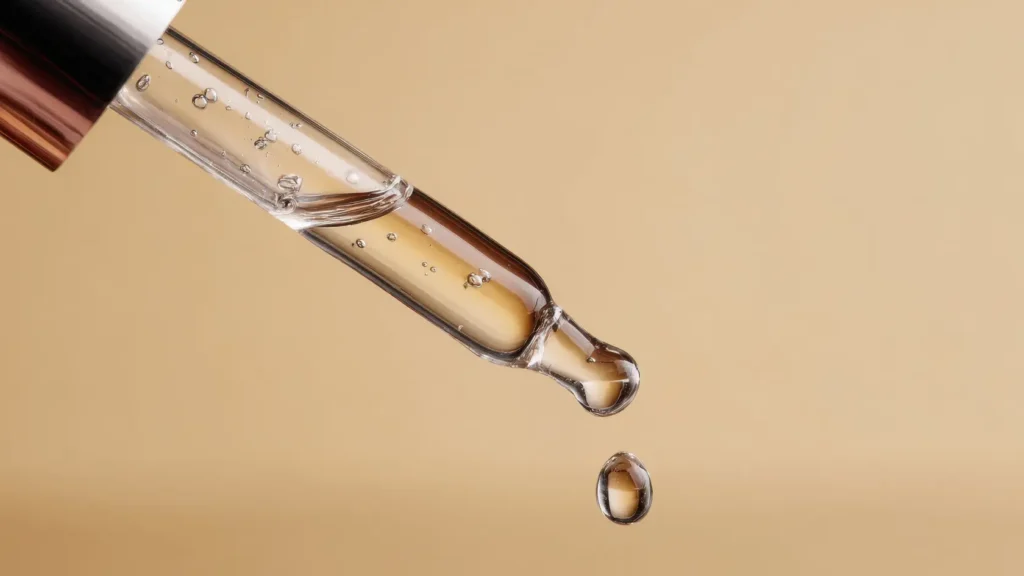
Is glycerin good for skin? Yes, for most people, it’s one of the simplest and safest ways to boost hydration and support a healthy skin barrier.
In skincare, glycerin is best known for making skin feel softer, smoother, and less tight. It’s a classic ingredient you’ll see in cleansers, lotions, and even soaps because it works well with many skin types. Still, how you use it matters, especially if your skin is acne-prone, very dry, or sensitive.
Table of Contents
What’s Glycerin, Exactly?
When people ask, “What’s glycerin?” the simple answer is: it’s a clear, syrupy liquid used in skincare to help hold onto water.
You may also see “glycerin is what” described as a “moisture magnet” because it helps your skin stay hydrated instead of losing water to the air.
What Is Glycerin Used for in Skincare?
What glycerin is used for often comes down to hydration and comfort. It can:
- Reduce dryness and tightness
- Support the skin barrier
- Improve softness and smooth texture
- Help products spread evenly on skin
This is why you’ll spot glycerin for skin in everything from face wash to moisturizers.
Is Glycerin a Humectant?
Yes— “glycerin is a humectant” is a big reason it’s so popular. A humectant helps pull water into the top layers of your skin.
That can make skin look plumper and feel calmer, especially when paired with a moisturizer that seals hydration in.
Why Is Glycerin Good for Skin in Real Life?
Glycerin is good for skin because it helps with the most common skin complaint: dehydration. Dehydrated skin can look dull, feel rough, and show fine lines more easily.
Used correctly, glycerin helps skin feel comfortable without needing complicated routines or harsh treatments.
Glycerin and Skin: How It Works
Glycerin and skin go well together because glycerin helps reduce water loss from the outer layer of your skin.
Think of it like this: glycerin helps your skin “hold onto” moisture longer, which is especially helpful after cleansing, showers, or cold weather.
Benefits of Glycerin for Skin (What You’ll Notice)
People searching “benefits of glycerin for skin” usually want visible results. Common changes include:
- Less flaking on dry areas
- Softer texture (cheeks, hands, elbows)
- Less “tight” feeling after washing
- A smoother makeup base
These benefits can show up fast—sometimes within a few days.
Glycerin for Face: Who Should Use It?
Glycerin for the face can work for:
- Dry skin (extra helpful)
- Normal skin (maintains balance)
- Combination skin (hydrates without heavy oils)
- Oily skin (can hydrate without greasiness)
If you’re acne-prone, you can still use it—just choose the right formula and method.
Is Glycerin and Vegetable Glycerin the Same?
Many people ask if glycerin and vegetable glycerin are the same. In skincare, they’re very similar in function. “Vegetable” just means it’s derived from plant oils instead of animal sources.
If you prefer plant-based skincare, look for vegetable glycerin on the ingredient list.
Pure Vegetable Glycerin: Should You Use It Straight?
Pure vegetable glycerin can be useful, but it’s very concentrated. Using it straight can feel sticky and may be irritating for some people.
A safer approach is mixing a tiny amount with water or a moisturizer—especially for face use.
Vegetable Glycerin for Face: The Best Way to Apply
Vegetable glycerin for face works best when diluted or layered. Try:
- Apply to damp skin (not dry skin)
- Use 1–2 drops mixed into moisturizer
- Seal with a cream if you’re very dry
This helps avoid tackiness and improves comfort.
Face Glycerin: A Simple Routine That Works
If you want a minimalist plan using face glycerin, do this:
- Cleanse gently
- Apply a glycerin-containing toner/serum or a diluted drop
- Moisturize
- Use sunscreen in the morning
Consistency beats using a lot at once.
Glycerin Face Cleanser: Who It’s Great For
A glycerin face cleanser is often a good choice if your face feels tight after washing.
It’s helpful for dry or sensitive skin because glycerin can reduce that “squeaky clean” feeling that usually signals stripped moisture.
Glycerin Face Lotion: What to Look For
A glycerin face lotion is great for daily hydration. Look for:
- Glycerin high on the ingredient list
- Fragrance-free options if sensitive
- Added ceramides for barrier support
This combo supports long-term skin comfort.
Glycerin Face Cleanser + Lotion: A Balanced Pair
Using a glycerin face cleanser followed by a glycerin face lotion is one of the easiest ways to keep skin hydrated without overthinking it.
If you’re new to glycerin, starting with a ready-made product is usually easier than DIY mixing.
Moisturizer with Glycerin: Why It’s a Staple
A moisturizer with glycerin is a classic because it hydrates while feeling lightweight.
If you struggle with dry patches but hate heavy creams, glycerin-based moisturizers can be a sweet spot.
Is Glycerin Good for Your Skin if You’re Oily?
Is glycerin good for your skin even if you’re oily? Often, yes—oily skin can still be dehydrated.
Your skin may create more oil to make up for a lack of water. Hydrating (without heavy oils) can help your skin feel more balanced.
Does Glycerin Clog Pores?
People ask if glycerin clogs pores because they fear breakouts. In general, glycerin itself is unlikely to clog pores for most people.
The bigger issue is the full formula: heavy oils, waxes, or fragranced additives can be the real pore troublemakers.
Is Glycerin Comedogenic?
“Is glycerin comedogenic?” is another common question. Glycerin is typically considered low risk for comedogenicity.
Still, everyone’s skin is different. The product base matters more than glycerin alone.
Can Glycerin Cause Acne or Breakouts?
If your question is “can glycerin cause acne” or “does glycerin cause breakouts,” the answer is: yes, it’s possible—but it’s not common. When it happens, it’s usually indirect.
Glycerin’s main job is hydration, so breakouts are more likely caused by the full formula or how it’s used. Common reasons include:
- The product contains pore-clogging ingredients
- You applied too much (a sticky layer can trap sweat and oil)
- Your skin reacts to fragrance, preservatives, or other additives
To stay safe, patch test first and try using a smaller amount or switching to a simpler, fragrance-free glycerin product.
Does Glycerin Cause Acne in Humid Weather?
In humidity, heavy layering can feel greasy. If you’re worried about whether glycerin can cause acne, use a lighter gel-cream moisturizer and skip extra oils.
A small amount of glycerin in a well-made formula is usually comfortable even in warm climates.
Glycerin in Soap: Helpful or Drying?
Glycerin in soap can be a plus. Glycerin soaps are often marketed as gentler because glycerin helps hold onto moisture.
But “soap” can still be drying if it’s high in harsh surfactants or has strong fragrance. Your overall formula matters.
What’s the Difference Between Glycerin and “Harsh” Cleansers?
Harsh cleansers strip oils and water from your skin. Glycerin-containing cleansers tend to reduce that stripped feeling by supporting hydration while cleaning.
If your skin feels tight after washing, glycerin-based cleansing can be a smart switch.
Hyaluronic Acid and Glycerin: Better Together?
Hyaluronic acid and glycerin are both humectants. They can work great together because they pull in water and help skin look bouncy.
If you like “plump” hydration, combining them is a common and effective approach.
Moisturizer with Hyaluronic Acid and Glycerin: What It Does
A moisturizer with hyaluronic acid and glycerin can hydrate on multiple levels: quick comfort from HA, steady moisture support from glycerin.
If you’re dehydrated, this combo is a strong everyday pick.
Hyaluronic Acid Glycerin Moisturizer: Who Should Try It?
A hyaluronic acid glycerin moisturizer is ideal if:
- Your skin feels tight but looks oily
- You’re using acne treatments that dry you out
- Cold weather makes your face flaky
Apply it to damp skin for best results.
How to Layer Glycerin the Right Way
If you want the best answer to “is glycerin good for skin,” layering is part of it:
- Put humectants (like glycerin) on slightly damp skin
- Follow with a moisturizer to “seal” hydration
- Use sunscreen in the daytime
This keeps hydration where your skin needs it.
Can You Use Glycerin Every Day?
Yes, many people use glycerin daily through cleansers and moisturizers. If you use pure vegetable glycerin, keep it diluted and start slowly.
Daily use is usually easiest through products made for facial skin.
Sensitive Skin: Is Glycerin a Safe Choice?
Often, yes. Glycerin is widely used because it’s generally gentle and simple. If you react easily, choose fragrance-free formulas and avoid strong essential oils.
If irritation happens, stop and switch to a basic, soothing moisturizer.
Dry Skin: When Glycerin Helps the Most
For dry skin, “is glycerin good for skin” becomes a clear yes. Glycerin can reduce flaking and make skin feel comfortable faster than many trend ingredients.
Pair it with a barrier-supporting cream for longer-lasting results.
Acne-Prone Skin: How to Use Glycerin Without Problems
If acne is your concern and you’re asking, “does glycerin clog pores?”, try these tips:
- Pick lightweight formulas labeled non-comedogenic
- If you break out easily, stay away from heavy oils.
- Use a small amount and don’t over-layer
- Patch test new products
This lowers the chance of clogged pores from the overall formula.
How to Patch Test Glycerin Products
Patch testing is simple:
- Apply a small amount behind your ear or on your jawline
- Wait 24–48 hours
- Watch for bumps, burning, or redness
This is especially smart if you’re worried about breakouts.
Common Mistakes People Make with Glycerin
Even though “is glycerin good for skin” is generally true, mistakes can cause issues:
- Applying concentrated glycerin on dry skin (can feel tight/sticky)
- Using too much (tacky texture)
- Layering heavy products on top in hot weather
- Ignoring ingredient lists
Small adjustments usually fix these problems quickly.
Ingredient Labels: Where You’ll See Glycerin
You’ll find glycerin in:
- Cleansers and micellar waters
- Serums and toners
- Creams and lotions
- Sunscreens and makeup
This is why questions like “what is glycerin used for” come up so often—it’s everywhere in skincare.
Quick Summary: Should You Use It?
If you’re still asking, “is glycerin good for your skin?”, here’s the practical answer:
- Yes, if you want hydration and barrier support
- Yes, if you prefer gentle, proven ingredients
- Maybe not as a straight, undiluted DIY on your face
Most people do best using glycerin in ready-made skincare.
FAQ: Glycerin and Skin
FAQ 1: Is glycerin good for skin if I have acne?
Yes, it can be. Glycerin is usually low risk, but the full product formula matters. Choose lightweight products and patch test.
FAQ 2: Does glycerin clog pores or make skin congested?
Not likely for most people. If congestion happens, check for heavier ingredients like certain oils, waxes, or thick occlusive.
FAQ 3: Is glycerin comedogenic compared to oils?
Glycerin is generally considered low risk. Some oils can be more clogging depending on your skin type.
FAQ 4: Can glycerin cause acne if I use too much?
It can happen if you apply too much or layer heavy products on top, trapping sweat and oil. Use small amounts and keep routines light.
FAQ 5: Does glycerin cause breakouts when it’s in many products?
Uncommon. If you notice breakouts, compare ingredient lists and look for fragrances or richer bases that could be the real trigger.
FAQ 6: Is glycerin a humectant like hyaluronic acid?
Yes. Both glycerin and hyaluronic acid attract water, and many people love using them together.
Final Takeaway
If your main question is “is glycerin good for skin,” the skincare answer is: yes—glycerin is a reliable hydrator that fits into almost any routine. Use it in well-formulated products, apply it to slightly damp skin, and keep things simple for soft, healthy-looking results.
Explore more on HEALTH JOYCE –
Lazy Skin Care Routine – Glow Without the Hassle
Tranexamic Acid for Skin: Your Path to Radiant Clarity
Low Porosity Hair Products: Best Secrets for Stunning, Vibrant Tresses